
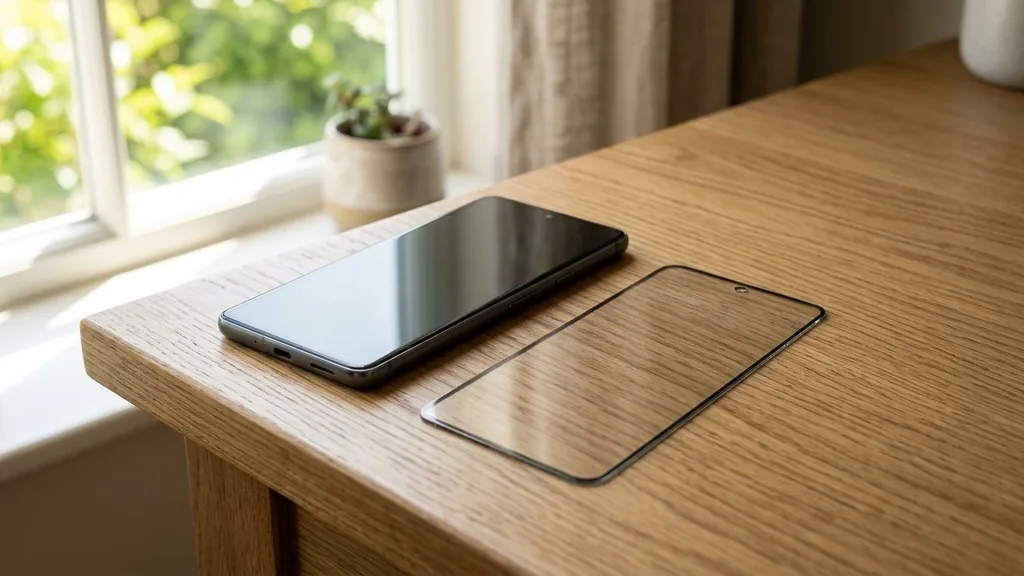
Mobile screens used to be simple plastic slabs that rarely saw a scratch. Today, the glass on your phone is a precise, curved technological marvel that demands real protection.
Finding the best screen protectors for galaxy s20 ultra requires matching the right material to your specific daily habits. Choosing wisely keeps that display crisp, and the following guide helps you pick the right fit.
Unlock Prime member deals all year. Join free today.
Start a free 30-day Amazon Prime trial to unlock members-only deals, free fast delivery, and Prime Video.
Try Amazon Prime Free
$14.99/month (plus tax) after trial. Cancel anytime. We may earn a commission if you sign up.
Key Takeaways
- Prioritize thin materials to ensure the ultrasonic fingerprint sensor remains accurate.
- Choose tempered glass if you prioritize impact resistance over flexibility.
- Select TPU film protectors if you prefer a self-healing surface that covers curved edges easily.
- Check that the adhesive covers the full surface rather than just the edges to avoid bubbles.
- Verify the pack size so you have a spare protector ready if your first installation goes sideways.
| Flexible Screen Shield |  |
Supershieldz TPU High Definition Protector | Maintains original touch sensitivity | Flexible edge coverage | Resists minor surface scratches | View on Amazon | Read Review |
| Impact Resistant Armor |  |
HPTech Tempered Glass Screen Protector | High level scratch resistance | Smooth glass feel | Clear optical transparency | View on Amazon | Read Review |
More Details on Our Top Picks
-
Supershieldz TPU High Definition Protector
If you value a screen protector that stays out of your way, this TPU film is a solid choice. It is highly flexible, which allows it to hug the curved edges of your display more effectively than rigid alternatives.
Because it uses thermoplastic polyurethane, it is thin enough to maintain excellent touch sensitivity. You will appreciate that it keeps the screen clear without adding bulk to your pocket. Just keep in mind that applying film can be trickier than glass, so take your time to avoid bubbles.
- Brand Name:Supershieldz
- Material Type:TPU film
- Package Quantity:2 pack
- Compatibility Model:Galaxy S20 Ultra
- Surface Finish:High definition clear
- Additional Feature:Bubble free installation layer
- Additional Feature:Hydrophobic and oleophobic coating
- Additional Feature:Self healing properties
-
HPTech Tempered Glass Screen Protector
Choosing tempered glass provides a layer of security that feels more like your original screen. This option is highly durable and creates a harder barrier against keys or accidental drops. It is the better pick if you prioritize maximum impact protection over the thin profile of a film.
The glass is cut to sit flat against the display, which makes the initial installation relatively straightforward. But be aware that, due to the nature of tempered glass, it may not wrap perfectly around the extreme edges of the curved screen compared to TPU options.
- Brand Name:HPTech
- Material Type:Tempered glass
- Package Quantity:2 pack
- Compatibility Model:Galaxy S20 Ultra
- Surface Finish:Smooth glass
- Additional Feature:Anti fingerprint surface layer
- Additional Feature:Shatter resistant safety glass
- Additional Feature:Simple alignment process
Frequently Asked Questions
Will a screen protector stop my phone from cracking?
A protector is a sacrificial layer designed to absorb the initial force of an impact. While it can save your actual screen from minor drops or scratches, it cannot guarantee complete safety during a severe fall onto concrete. Think of it like a helmet for your phone, which provides a critical buffer but isn't invincible.
Do I need to redo my fingerprints after installing a protector?
Yes, you should always re-register your fingerprints after the protector is firmly in place. The extra layer of material changes how the ultrasonic sensor reads your skin. Adding your prints again ensures the sensor learns the new surface density and maintains fast unlock speeds.
Is tempered glass better than plastic film?
Tempered glass is much better at preventing deep scratches from keys or coins in your pocket. Plastic film is mostly designed to prevent surface scuffs and keep the screen clean. Glass feels more like the original screen, whereas film can feel slightly rubbery or tacky to the touch.
Can I remove the protector if it cracks?
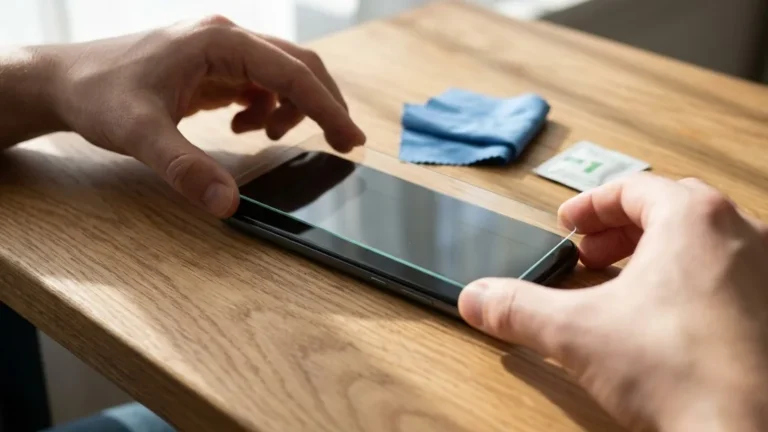
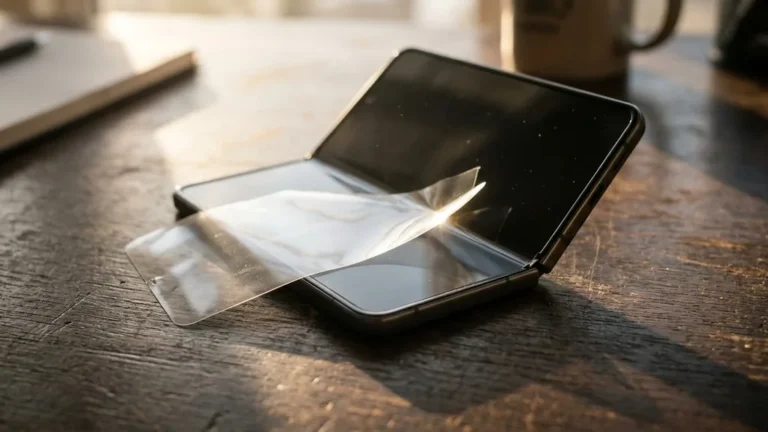
You can remove it quite easily by using a thin, sturdy card to gently lift one corner. Once the edge is up, apply slow and steady pressure to pull the rest of the protector off in one piece. If the glass is shattered, wear a pair of gloves to prevent tiny shards from cutting your fingers.
Why are there bubbles under my new screen protector?
Bubbles usually appear because of trapped dust particles or uneven pressure during installation. You can often push small air bubbles toward the edge with a credit card wrapped in a microfiber cloth. If a piece of dust is the culprit, you will likely need to carefully lift that corner and use a piece of tape to snag the debris.